
What Happens on Closing Day
- Nahal Sharifi

- Apr 28
- 1 min read
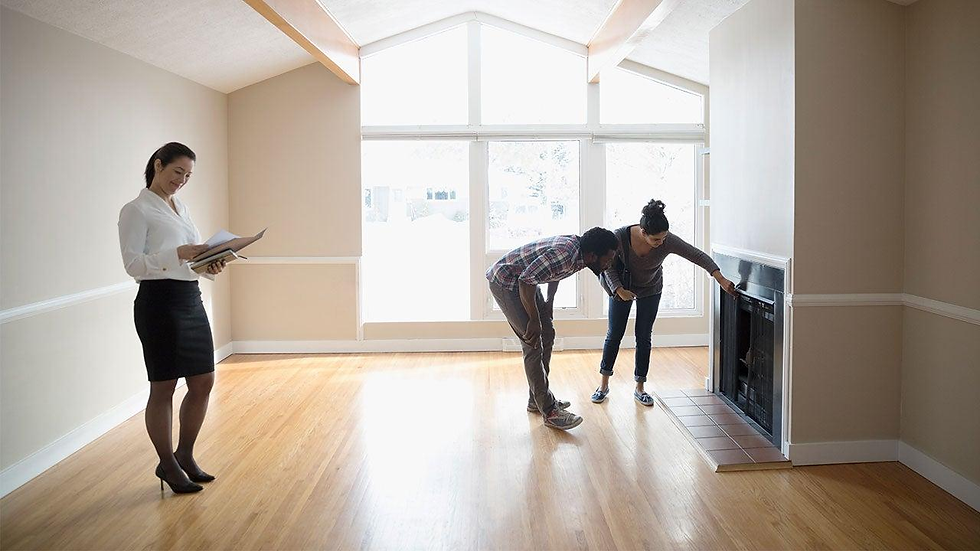
Closing day is the final step in a real estate transaction—when ownership officially transfers from seller to buyer. It’s a busy but structured process where all the paperwork, money, and legal details come together.
Here’s what typically happens:
📄 Final walkthrough (often right before closing)
You (the buyer) do a last check of the property to make sure:
It’s in the agreed-upon condition
Repairs (if any) were completed
Nothing has been removed that should stay
✍️ Signing documents
At the closing appointment (often at a title company, attorney’s office, or escrow office), you’ll sign:
Mortgage agreement (if you’re financing)
Closing disclosure
Title documents
Deed and other legal forms
There can be a lot of paperwork—sometimes dozens of signatures.
💵 Paying closing costs
You’ll bring or wire the remaining funds, which may include:
Down payment
Loan fees
Title insurance
Taxes and escrow setup
This is usually done via wire transfer or cashier’s check.
🔑 Transfer of ownership
Once everything is signed and funds are confirmed:
The deed is recorded with the local government
Ownership officially transfers to you
You get the keys (sometimes the same day, sometimes shortly after)
🧾 After closing
You’ll receive copies of all documents
Your lender sets up your mortgage account
The seller gets paid
A quick reality check
Closing day is usually smooth, but delays can happen if:
Funds don’t arrive on time
There are last-minute document errors
Title issues pop up


Comments